Why Hike in Lesotho?
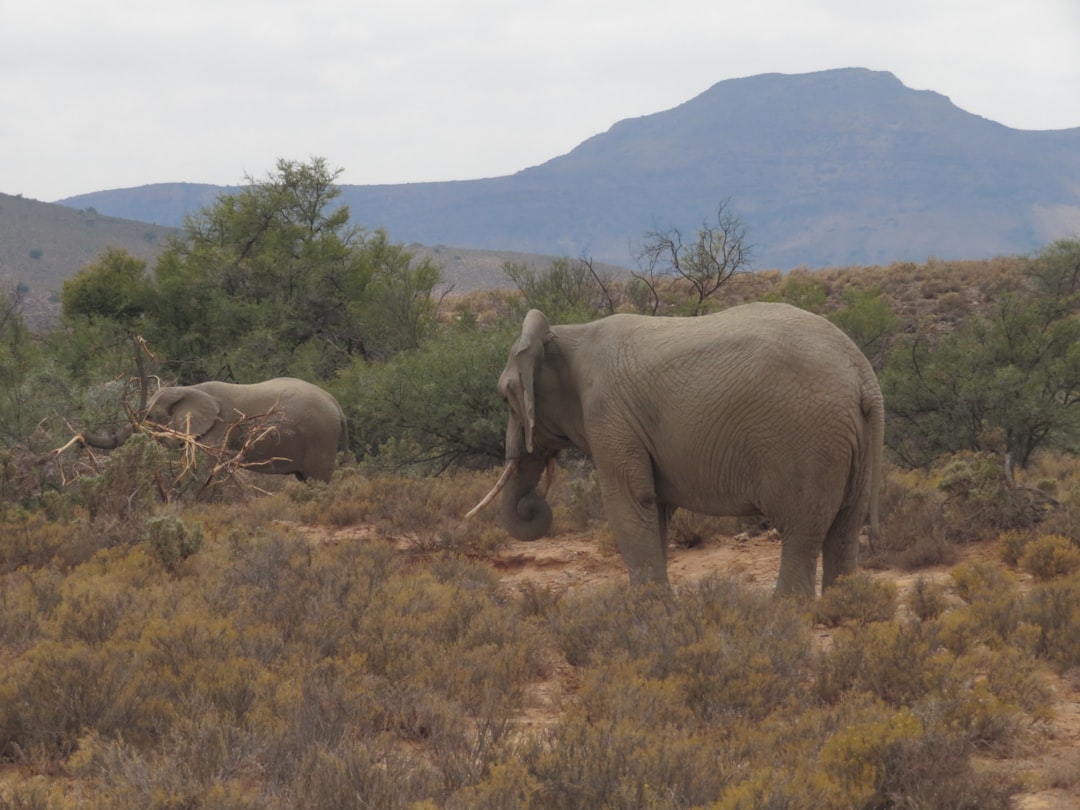
Lesotho is one of the last genuinely wild hiking destinations in southern Africa. Unlike the over-trodden trails of the Cape mountains or the managed corridors of national parks, the Lesotho highlands remain open, largely unmapped and traversable only on foot or on horseback. The trails that exist are often centuries-old tracks worn into the basalt by herds of livestock and generations of Basotho farmers moving between highland pastures and lowland villages.
The scale is also significant. The Maluti Mountains cover most of the country's interior with a plateau that sits above 2,800 metres for hundreds of kilometres. This is not rolling foothills terrain. It is genuine high altitude, with weather that can shift from blazing midday sun to hailstorm in under an hour. The sense of exposure and wildness is real, and that is precisely the appeal.
What makes Lesotho genuinely distinctive for hikers is the human element. Villages are scattered across even the most remote terrain. Basotho shepherds tend flocks at 3,000 metres, and a warm greeting is rarely more than an hour's walk away. The culture of hospitality means that even with no fixed infrastructure, walkers can usually find shelter, food and local knowledge if they move respectfully through the land.
Sani Pass
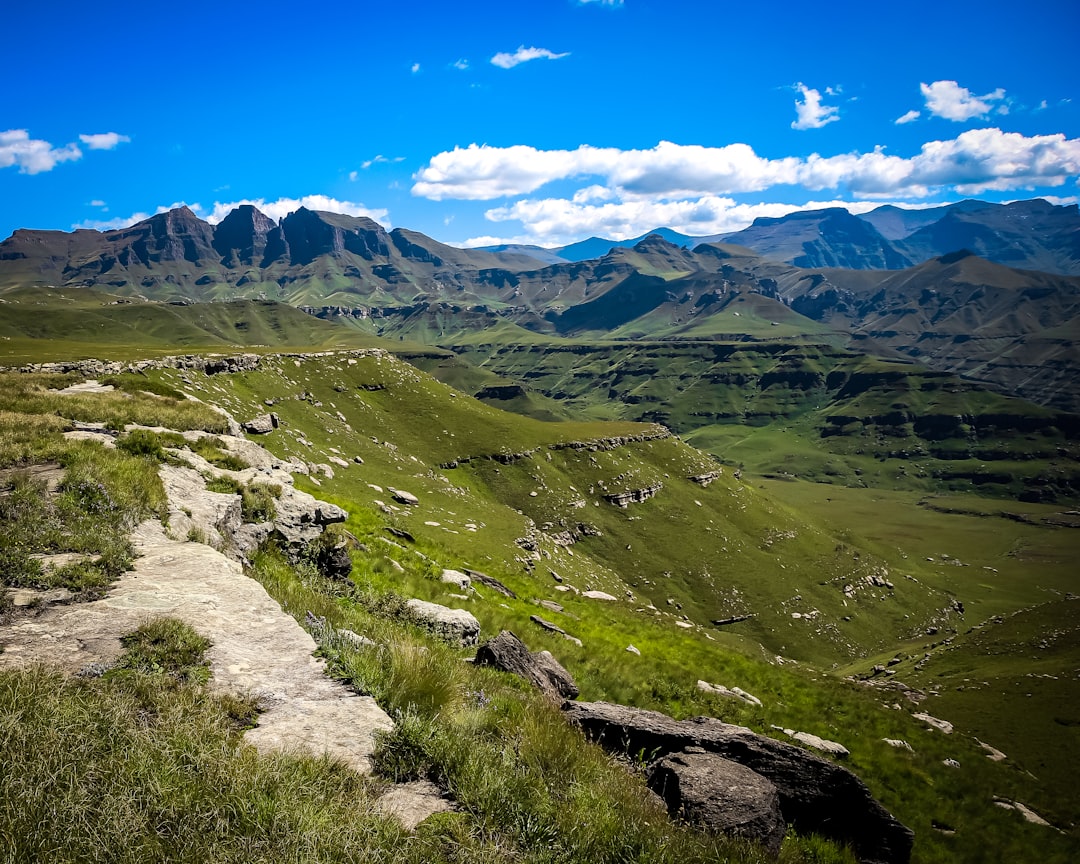
The Sani Pass is Lesotho's most famous entry point and one of the great driving and hiking adventures in southern Africa. The road climbs from the KwaZulu-Natal midlands through the Drakensberg escarpment, a vertical ascent of more than 1,300 metres in roughly 9 kilometres, reaching the Lesotho plateau at 2,874 metres above sea level.
At the top, the Sani Mountain Lodge claims to be the highest pub in Africa, which may or may not be true but is certainly a compelling argument for making the climb. Beyond the lodge, hikers can continue on foot across the plateau towards the Thabana Ntlenyana massif, the Sehonghong River gorge or the remote villages of the Qacha's Nek district.
For the pass itself, experienced hikers can ascend on foot from the South African side, a half-day effort that is steep and rewarding, requiring no technical equipment. The path is obvious. The reward at the top is immediate: the plateau opens up like a different world, vast and windswept and utterly silent except for the cry of the Bearded Vulture overhead.
Malealea Pony Trekking
The village of Malealea in the Mafeteng district is the most established starting point for multi-day pony treks into the highlands. The Malealea Lodge, in operation since the 1980s, has built a network of routes covering more than 200 kilometres of highland track, connecting villages, gorges, waterfalls and ancient San rock art sites.
The standard 3-day route follows the Ribaneng Gorge to the Ribaneng Waterfall, crosses a high pass above 2,600 metres, and descends to the Ketane Falls before looping back. Accommodation is in village guesthouses, with meals prepared by local families. The ponies are led by young men from the villages who provide the most authentic interpretive experience imaginable.
Pony Trek Levels
Half-day: Village rides from Malealea or Semonkong, suitable for all riders. 2-3 days: Gorge and waterfall routes, moderate fitness required. 5-7 days: Full plateau crossings, experienced riders, altitude awareness essential.
Ts'ehlanyane National Park
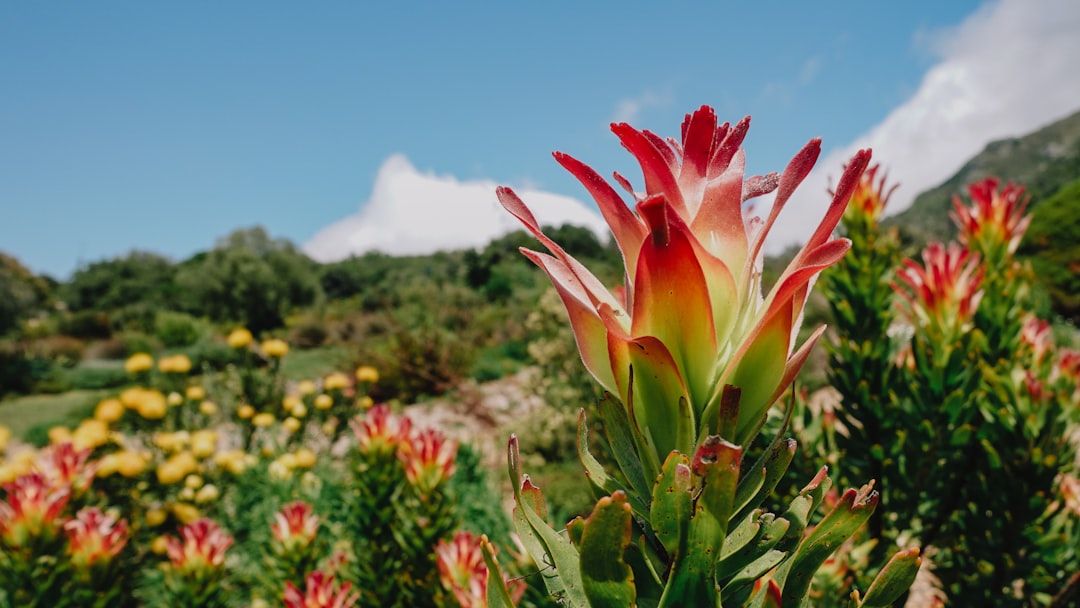
In the Butha-Buthe district of northern Lesotho, Ts'ehlanyane National Park protects the country's most significant remnant of indigenous mountain forest. The park contains the upper catchment of the Ts'ehlanyane River, with trails that pass through stands of Leucosidea and Buddleja trees before climbing to open moorland above 2,600 metres.
The park's signature trail is the 3-day hike to Bokong Nature Reserve, passing Lepaqoa Waterfall and ascending to the high plateau. The trail is well-maintained relative to much of Lesotho's backcountry, with overnight huts at intervals. This is the most accessible multi-day hiking option for those arriving without specialist gear.
Seasons and Conditions
Lesotho has four distinct seasons, each offering a different hiking experience:
- Spring (September-November): The best all-round hiking season. Wildflowers bloom on the plateau, rivers are low after winter, temperatures are moderate and skies are clear. Days lengthen rapidly.
- Summer (December-February): Dramatic but demanding. Afternoon thunderstorms are daily and can be violent. Trails are green and waterfalls are at peak flow. Flash flooding in gorges is a serious risk.
- Autumn (March-May): Excellent. Clear skies, cooler temperatures, golden grasslands. Some of the best long-distance trekking conditions of the year. Ideal for photography.
- Winter (June-August): Cold and dry. Snow covers the high plateau above 2,800 metres. Night temperatures can fall to -15 degrees Celsius. Experienced mountaineers access spectacular snow landscapes but standard hiking is challenging above 2,500 m.
Essential Gear List
Lesotho's altitude means that even mild-looking weather can become dangerous quickly. For any multi-day hike above 2,500 metres the following is essential:
- Down or synthetic insulated jacket - temperatures drop near zero even in summer at altitude
- Waterproof shell jacket and trousers - afternoon rain is near-daily in summer
- Navigation: printed topographic maps plus a compass or GPS device - mobile coverage is sparse
- Water purification tablets or filter - all highland streams should be treated
- Sunscreen factor 50 or higher - UV intensity at 3,000 m is roughly 30 percent higher than sea level
- Cash in Lesotho Loti - card payment is not available in rural areas
- Basic Sesotho phrases - extremely well received by locals and practically useful when navigation fails
Most hikers visiting Lesotho travel through South Africa, which surrounds the kingdom on all sides. South Africa offers the most comprehensive travel infrastructure in the region, along with a well-developed digital entertainment and online leisure market.